Vitamin D Deficiency and Its Consequences
Depending on where you live, it is possible you or someone you know suffers from Vitamin D deficiency.
Alex Barson /
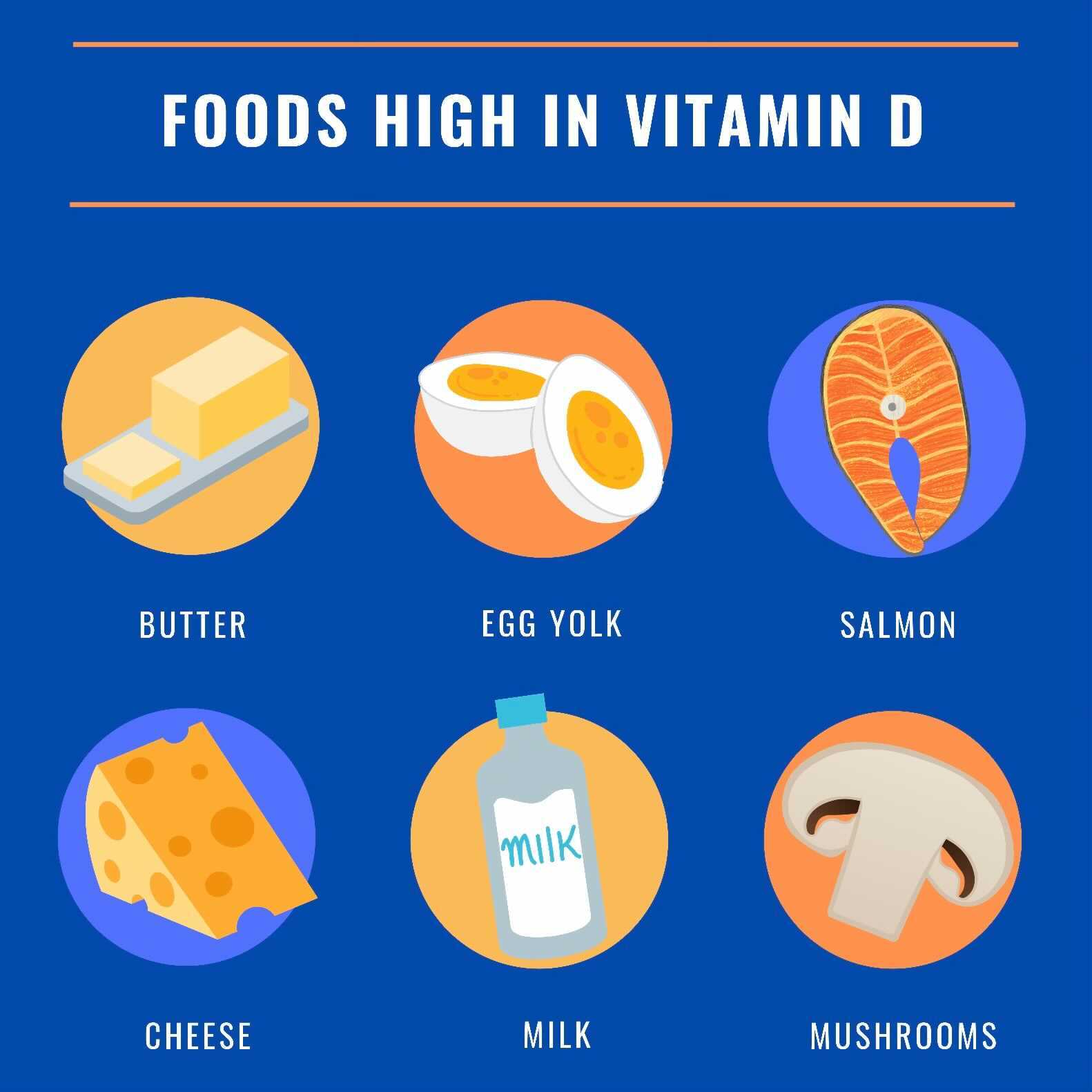
Depending on where you live, you or someone you know most likely suffers from Vitamin D deficiency. Our most consistent source of this vital vitamin comes from exposure to UV rays from the sun. The signs of deficiency of the vitamin are challenging to pinpoint, but often manifest as joint pain or muscle weakness. The long-term effects of deficiency, however, are where the lack of UV exposure can be devastating. These include but are not limited to; cognitive impairment in older adults, asthma in children, and some correlations have been found between vitamin D deficiency and the development of cancer in adults [1]. As a result, those of us who live a little further away from the equator need to take deliberate action in our supplementation of Vitamin D, especially during the winter months where UV rays from sunlight are in limited quantities. According to the Harvard Health Publishing Journal, this is even more prevalent of an issue for older adults, who are not as efficient at converting sunlight to Vitamin D, and who suffer most notably from the consequences of its deficiency. Luckily, people have created resources for vitamin D supplementation that include ingestible tablets or gummies. Even some foods including dairy products, egg yolk, and fatty fish [2] when incorporated into the diet will provide someone who suffers from deficiency with enough vitamin D to supplement them even in the darkest of winters. [1] https://www.health.harvard.edu/staying-healthy/6-things-you-should-know-about-vitamin-d [2] https://www.nhs.uk/conditions/vitamins-and-minerals/vitamin-d/ For more information please visit our instagram post: https://www.instagram.com/p/CQIMFrilDmW/?utm_medium=copy_link