The Gut to Brain Connection: Recognizing the Impacts of Mental Health
Recent reserach has found a correlation between mental health and the gut.
Alex Barson /
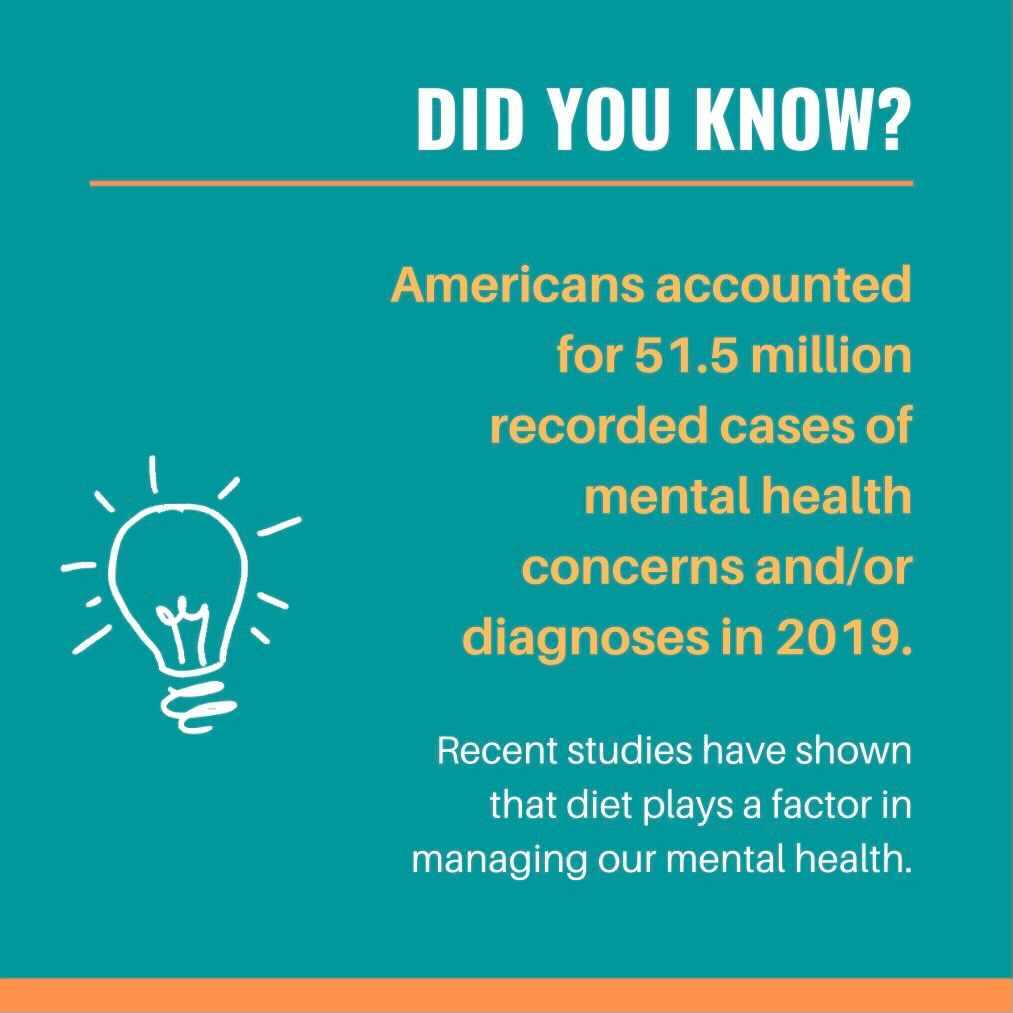
An aspect of our health that has only (relatively) recently been brought to the attention of scientists is the deeply integral study of mental health. It turns out, Americans alone made up at least 51.5 million recorded cases of mental health issues in 2019 [1], which we can assume has only worsened since then in light of the 2020 pandemic. With more focus in this area, we are finally beginning to derive aspects of our daily lives that contribute to our overall health and emotional states of being. Most importantly we can look at areas that cause widespread suffering amongst large groups of people, such as GI problems.
For example, a series of studies conducted by Douglas A. Drossman, MD, at the University of North Carolina claim, "both acute and chronic stress interfere with intestinal barrier integrity and induce adverse alterations in intestinal microbiota composition".[2] Making these connections is more important than ever in an age where we have so much agency over what we put into our bodies and how we cope with external stressors. This agency allows us the opportunities to control aspects of our health that will lead to better gut health, and in tandem, improvements in mental health and general state of being.
The brain and gut represent separate nervous systems, but do not necessarily work mutually exclusive of each other. In this scenario of mental health diseases, there is a sort of "chicken and egg" scenario where both mental health and GI problems could potentially catalyze the creation of one or the other. In a study published by the Scandinavian Journal of Gastroenterology, a group of researchers studying Stockholm residents recognized that it was impossible to distinguish "whether the mental health problem is caused by IBS or vice versa" and further they illuminate that, "the bowel has its own nervous system, which may be primarily disturbed, and the bowel symptoms could be the cause of mental health problems".[3] This means that someone dealing with chronic stress, or depression, could develop GI problems such as IBS as a bodily response, and as a result, worsen their state of their mental health through compounding gut issues.
Keeping these factors in mind, it is important that we move forward with caution when beginning to diagnose mental health issues. Diagnosis can only serve the population when administered at the personal level, and as a result, those who have these issues should see a medical professional about their discomforts. This area of study is relatively new, but being able to make these connections is the first step in the pursuit of a healthy lifestyle.
Sources:
1. https://www.nimh.nih.gov/health/statistics/mental-illness
2. Douglas A Drossman, MD, Division of Digestive Diseases, 726 Burnett-Womack Bldg, CB #7080, University of North Carolina, Chapel Hill, NC 27599-7080, USA. Email: drossman@med.unc.edu, https://gut.bmj.com/content/45/suppl_2/II25.full
3. E. Osterberg, L. Blomquist, I. Krakau, R. M. Weinryb, M. Asberg, R. Hultcrantz (2000) A Population Study on Irritable Bowel Syndrome and Mental Health, Scandinavian Journal of Gastroenterology, 35:3, 264-268, DOI: 10.1080/003655200750024128 (https://www.tandfonline.com/doi/pdf/10.1080/003655200750024128)